Best neighborhoods to visit in Buenos Aires for an Unforgettable Experience
- Buenos Aires Horizon Tours

- Oct 28, 2024
- 12 min read
Buenos Aires is a city rich in culture and diversity, composed of numerous neighborhoods, each offering unique experiences. From vibrant nightlife to historical sites, the city caters to all interests and preferences. This guide explores the best neighborhoods to visit in Buenos Aires, highlighting their main attractions and characteristics. Understanding these areas can enhance the experience of exploring this dynamic metropolis.
Buenos Aires Neighborhoods Overview
Buenos Aires is a city of neighborhoods, each with its own unique essence and attractions. Understanding the characteristics and diversity of these areas is essential for anyone looking to explore the city.
Characteristics and Diversity
Buenos Aires boasts 48 neighborhoods, each offering a distinct atmosphere that reflects the city's cultural tapestry. The characteristics of these neighborhoods vary wildly, influenced by factors such as history, architecture, and local communities.
Architectural Styles: From colonial mansions in San Telmo to modern skyscrapers in Puerto Madero, architecture is one of the foremost reflections of the city's diversity.
Cultural Influences: Many neighborhoods have unique cultural identities, which are shaped by local traditions, cuisines, and the influences of immigrant communities.
Recreational Spaces: Parks and plazas serve as communal hubs, providing a blend of green spaces amidst urban life, particularly in areas like Palermo.
How to Choose the Right Neighborhood
Selecting the perfect neighborhood to visit depends on personal interests and the experience one seeks. Factors to consider include:
Interests: Whether one is drawn to history, nightlife, or arts, different neighborhoods cater to various preferences.
Accessibility: Proximity to public transport and major landmarks can enhance the overall experience, making it easier to explore.
Safety: Like any major city, safety should be a priority, with some neighborhoods reputed for being more secure than others.
Exploring the neighborhoods of Buenos Aires reveals the multifaceted identity of the city, blending tradition and modernity at every corner.
Palermo: Nightlife and Parks
Palermo stands out as one of the most vibrant barrios in Buenos Aires, known for its bustling nightlife and ample green spaces. This area combines cultural richness with modern attractions, making it a must-visit for anyone seeking to experience the local lifestyle.
Subdivisions: Palermo Soho and Palermo Hollywood
Palermo is divided into several subareas, with Palermo Soho and Palermo Hollywood being the most popular. Palermo Soho boasts a hipster vibe, characterized by its chic boutiques, trendy restaurants, and lively street art. In contrast, Palermo Hollywood is renowned for its media presence and culinary scene, featuring a plethora of gourmet restaurants and bars.
Main Attractions
Plaza Serrano
Plaza Serrano is a central hub for both locals and tourists. This lively square is surrounded by various bars and eateries, coming alive at night with music and dance. The Saturday craft market offers a range of local products, creating an enjoyable weekend atmosphere.
Jardín Botánico
The Jardín Botánico is a hidden gem nestled among busy streets. It houses over 5,000 plant species and provides a peaceful retreat from the urban hustle. The beautiful pathways, sculptures, and greenhouses invite visitors to take leisurely strolls and reflect among nature.
Bosques de Palermo
Bosques de Palermo is a vast park that features picturesque lakes, rose gardens, and winding paths. Ideal for picnics or outdoor activities, it is a favorite among families and exercise enthusiasts. The park is perfect for enjoying the sunshine, and its serene environment enhances the charm of Palermo.
Best Time to Visit
The best time to explore Palermo is during the spring and fall, when the weather is pleasantly mild. These seasons showcase the area's parks in full bloom, creating a picturesque backdrop for outdoor activities.
Dining and Entertainment Options
Dining in Palermo offers an eclectic mix of cuisines. From traditional Argentine parrillas to international fusion restaurants, food lovers will find something to satisfy every palate. The nightlife is equally diverse, with numerous bars and dance clubs that cater to all tastes, ensuring a lively experience well into the early hours.
Recoleta: Elegance and History
Recoleta is known for its stunning architecture and rich historical significance. This neighborhood embodies sophistication and offers an array of cultural experiences that make it a must-visit in Buenos Aires.
Architectural Highlights
The architectural style of Recoleta showcases a European influence, featuring impressive buildings that reflect the city's colonial past. Elegant mansions, beautiful facades, and grand avenues line the streets. Notable examples include lavish residences and public buildings that highlight the neighborhood's opulence.
Main Attractions
Recoleta is home to several iconic attractions that draw visitors year-round.
The Recoleta Cemetery
This famous cemetery is a unique open-air museum, renowned for its ornate tombs and mausoleums, where distinguished figures like Eva Perón are buried. Walking through its narrow pathways is akin to an art journey amid history.
Plaza Francia
A vibrant square surrounded by cafes and shops, Plaza Francia hosts an artisan market every weekend. It is an excellent spot to savor local delicacies while enjoying street performances.
Centro Cultural Recoleta
This cultural hub offers a variety of art exhibitions, concerts, and workshops. It plays a crucial role in promoting contemporary art, making it a focal point for local and international artists alike.
Best Neighborhood for Cultural Enthusiasts
Recoleta stands out as a favorite for those who appreciate culture and history. Its combination of elegant architecture and numerous museums, galleries, and theaters creates an inviting atmosphere for discovery. It's a perfect blend of the artistic and the historical, catering to diverse interests.
Restaurants and Cafés
The culinary scene in Recoleta complements its sophistication. Visitors can find a range of dining options, from traditional Argentine steakhouses to upscale international cuisine. Cafés like the iconic La Biela offer a perfect spot to unwind with a coffee while soaking in the chic surroundings of Recoleta.
San Telmo: Tango and Antiquities
San Telmo is a neighborhood rich in history and cultural heritage, renowned for its cobblestone streets and vibrant tango scene. This area exudes a bohemian charm that captures the essence of Buenos Aires.
Historical Significance
As one of the oldest neighborhoods in Buenos Aires, San Telmo boasts a fascinating history that dates back to the 17th century. Originally, it was a wealthy residential area until the yellow fever epidemic in the 19th century prompted the affluent to relocate. Today, San Telmo is a celebrated cultural and artistic hub, preserving its colonial architecture and lively atmosphere.
Main Attractions
Plaza Dorrego
Plaza Dorrego serves as the heart of San Telmo, where locals and visitors gather. The plaza is famous for its Sunday antique fair, where vendors display an array of unique items, from vintage jewelry to historical artifacts. Furthermore, spontaneous tango performances often animate the square, inviting everyone to experience the rhythm of Argentine culture.
Mercado de San Telmo
The Mercado de San Telmo is a must-visit destination, embodying the spirit of the neighborhood. Inside, a variety of food stalls offer local delicacies, artisanal products, and fresh produce. This historic market is not only a great place to shop but also a vibrant social space, perfect for savoring traditional Argentine dishes.
The Museo de Arte Moderno
Located in a transformed tobacco factory, the Museo de Arte Moderno de Buenos Aires (MAMBA) showcases contemporary Argentine art. The museum’s collection features works from notable artists, providing insight into the evolution of modern art in the region. It is an essential stop for art enthusiasts wishing to delve into the creative energy of the country.
The Tango Experience
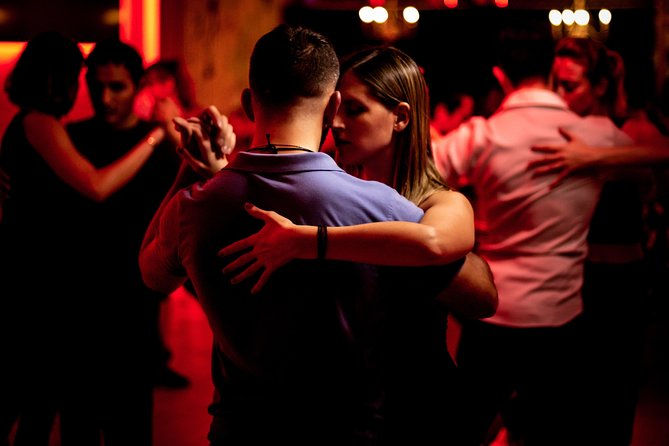
San Telmo is synonymous with tango, offering rich experiences for enthusiasts and newcomers alike. Visitors can find numerous milongas—dance halls where tango is the main attraction. These venues host dance lessons and social events, allowing for an immersive cultural experience that captures the essence of Buenos Aires.
Suggested Walking Routes
Exploring San Telmo on foot allows for a more intimate discovery of its charm. Recommended walking routes include:
Starting at Plaza Dorrego, meander through the surrounding streets to appreciate the historic architecture.
Visit the Mercado de San Telmo and enjoy their gourmet food offerings.
Conclude the stroll with a visit to MAMBA for a dose of modern art.
La Boca: Colors and Passion
La Boca is one of the most vibrant neighborhoods in Buenos Aires, known for its colorful buildings and rich cultural heritage. This lively area reflects the passion and energy of Argentine culture through its art, tango, and football.
Street Art and Ambiance
The streets of La Boca are adorned with stunning street art, showcasing the creativity of local artists. The ambiance is electric, with street performers and musicians bringing life to the colorful alleys. Visitors can stroll through the area, taking in the artistic expressions and unique architecture that characterizes this distinctive neighborhood.
Main Attractions
Caminito
Caminito is perhaps the most famous street in La Boca. This pedestrian walkway is lined with vividly painted houses and is a hub for artists and performers. Visitors can find various art stalls and enjoy spontaneous tango performances that embody the spirit of Argentine culture.
La Bombonera
La Bombonera is the iconic stadium of Boca Juniors, one of Argentina's most beloved football clubs. The passion for football here is palpable, with locals and visitors alike gathering to watch matches or tour the stadium. The museum inside offers insights into the club's rich history and achievements.
The Fundación Proa
This cultural center highlights contemporary art exhibitions and hosts events that engage with the local community. With its modern architecture and stunning views of the river, Fundación Proa enriches the cultural landscape of La Boca, making it a must-visit stop.
Best Neighborhood for Football Fans
La Boca is undoubtedly the best neighborhood for football fans in Buenos Aires. The love for Boca Juniors extends beyond just the matches; it is a way of life for many locals. Fans proudly display their colors, and the atmosphere during match days is electric, filled with celebrations and camaraderie.
City Center: History and Modernity
The City Center of Buenos Aires is a lively area that reflects both the historical essence and modern growth of the city. It is characterized by significant landmarks and bustling streets filled with shops, cafés, and cultural events.
Iconic Landmarks
In the heart of the city, there are several iconic structures that capture the essence of Buenos Aires. These landmarks not only represent the architectural beauty of the city but also its vibrant history.
Main Attractions
Plaza de Mayo
This historic square has been the site of numerous political events and protests throughout Argentine history. It is surrounded by important buildings such as the Casa Rosada, where the President works, and the Metropolitan Cathedral. The plaza is a gathering place for both locals and tourists, often filled with demonstrations and cultural festivities.
Calle Florida
A renowned pedestrian street, Calle Florida is famous for its shopping experience. Here, visitors can find various shops ranging from high-end brands to local crafts. Street performers often entertain passersby, creating a lively atmosphere that complements the diverse shopping options available.
Teatro Colón
Considered one of the finest opera houses in the world, the Teatro Colón showcases remarkable architecture and acoustics. Guided tours are available, offering insights into its rich history and the events that have taken place within its walls. Attending a performance here is a must for any cultural enthusiast.
Comparing with New York City
While both Buenos Aires and New York City boast vibrant city centers, each has its unique flavour. Buenos Aires exudes a European charm with wide boulevards and historic cafés, whereas New York is known for its skyscrapers and fast-paced lifestyle. Each city, however, offers an unparalleled mix of culture, gastronomy, and art.
Puerto Madero: Urban Chic and Nature
Puerto Madero is a striking example of modern urban development in Buenos Aires, offering a seamless blend of chic living spaces, vibrant cultural sites, and serene natural areas along the waterfront.
Development and Growth
Originally an industrial port, Puerto Madero has undergone extensive redevelopment since the 1990s, transforming it into one of the city's most desirable neighborhoods. The area is characterized by sleek skyscrapers, upscale condominiums, and a thriving commercial sector, making it an attractive destination for both residents and tourists. This smart urban planning integrates green spaces, enhancing the quality of life in the neighborhood.
Main Attractions
Puerto Madero boasts several key attractions that draw visitors throughout the year.
Puente de la Mujer
This uniquely designed pedestrian bridge symbolizes the modernity of the area. Its elegant, sweeping structure is a popular spot for photos, particularly at sunset, when the bridge lights up, showcasing its beauty.
Reserva Ecológica Costanera Sur
A vast urban nature reserve located along the river, providing a habitat for various flora and fauna. The park features walking and biking paths that invite visitors to explore its scenic beauty away from the bustling city. It is an oasis of tranquility ideal for relaxation or outdoor activities.
Fine Dining Options
Puerto Madero is renowned for its gastronomic scene, featuring many high-end restaurants that offer exquisite dining experiences. Visitors can enjoy a variety of cuisines, often with breathtaking views of the waterfront. Popular dining destinations include establishments that specialize in Argentine steak and gourmet seafood, attracting both locals and tourists.
Privacy Policy and Safety
The neighborhood maintains a reputation for safety and cleanliness, with well-lit streets and an active security presence. Residents and visitors alike appreciate the serene environment that Puerto Madero offers, making it an ideal place for leisurely strolls by the river.
Almagro: Arts and Local Culture
Almagro is a vibrant neighborhood known for its artistic expression and local culture. Its streets are filled with creativity, making it a delightful spot for art enthusiasts and those who appreciate the tango.
The Neighborhood's Artistic Scene
Almagro's artistic scene is dynamic, featuring a mix of traditional and contemporary art. Numerous galleries and cultural spaces showcase local talent, making it a hub for artistic endeavors. The neighborhood's rich cultural heritage is reflected in its events and exhibitions, attracting visitors from all over the city.
Main Attractions
Theatre and Live Arts
Theater is an integral part of Almagro's cultural fabric. Numerous theaters, such as the Teatro Cómico, offer a variety of performances, from classic plays to modern productions. The live art scene is thriving, with many artists showcasing their talents in theaters and on the streets. This commitment to the arts provides a unique opportunity to experience Argentina's rich cultural offers.
Las Violetas Café
Las Violetas is an iconic café that has become a cultural landmark in Almagro. Its stunning architecture and vintage decor provide a charming atmosphere for visitors. The café serves traditional Argentine pastries and a variety of coffees that invite locals and tourists alike to enjoy leisurely afternoons. It’s an ideal place to soak in the artistic vibes of the neighborhood.
Experiencing Tango in Almagro
Tango, an essential part of Argentina’s cultural identity, is celebrated in Almagro. The neighborhood features numerous milongas, or dance halls, where enthusiasts gather to practice and perform this passionate dance. Visitors can immerse themselves in the tango culture by attending classes or watching performances, making it a memorable experience. From street performances to organized events, Almagro encapsulates the spirit of tango in its vibrant streets.
Belgrano: Peaceful and Picturesque
Belgrano is a tranquil neighborhood in Buenos Aires known for its beautiful parks, tree-lined streets, and charming residential feel. It offers a unique blend of urban life and a peaceful environment, making it an ideal escape from the city's hustle and bustle.
Residential Feel and Highlights
This neighborhood maintains a friendly ambiance and features a variety of architectural styles, from elegant mansions to modern apartments. Residents enjoy a laid-back lifestyle, with many parks and community events that foster a strong sense of belonging.
Main Attractions
Belgrano has several noteworthy sites that reflect its cultural and historical significance.
Plaza Belgrano
At the heart of the neighborhood, Plaza Belgrano is a vibrant spot surrounded by picturesque trees and gardens. It hosts various events and markets throughout the year, allowing visitors to experience the local culture and community spirit.
Barrio Chino
This small yet colorful Chinatow offers an array of Asian restaurants, shops, and cultural experiences. It’s a great place to explore unique cuisine and enjoy the diverse culture that enriches the neighborhood.
Family-friendly Activities
Belgrano is especially accommodating for families, providing several parks and recreational areas designed for children and adults alike. The neighborhood is dotted with playgrounds, sports facilities, and family-friendly zoos, ensuring that everyone has an enjoyable time outdoors. Streets are spacious and safe for family walks or bike rides, encouraging an active lifestyle among residents.
Overall, Belgrano combines serenity with urban convenience, making it a desirable destination for those seeking a peaceful yet vibrant community.
Retiro: Transit and Tradition
Retiro is a vibrant neighborhood that embodies the essence of Buenos Aires. Known for its significant transit hubs and a mix of modern and traditional influences, it is a melting pot of culture, commerce, and history.
Transit Hubs and Accessibility
The accessibility of Retiro is one of its key features. It serves as a principal transport junction, facilitating travel both within the city and beyond. The neighborhood boasts several critical transit hubs, including:
Retiro Bus Terminal: This expansive terminal connects Buenos Aires with various cities across Argentina. It is essential for travelers arriving from different provinces.
Estación Retiro: The train station primarily serves local and suburban train lines, enhancing the ease of commuting in and out of the area.
Subte (Metro) Line C: The underground train system offers a quick way to navigate between neighborhoods, making Retiro an ideal starting point for exploring the city.
Main Attractions
While primarily recognized for its transit options, Retiro also boasts several noteworthy attractions that visitors may find appealing.
Plaza San Martín
This charming green space is one of Retiro's highlights. Surrounded by impressive buildings, it offers a serene environment to relax amid the bustling city. The plaza features scenic paths, beautiful trees, and monuments that evoke the rich history of Argentina.
The Kavanagh Building
Once the tallest building in South America, the Kavanagh Building stands as a testament to the architectural ambition of the era. Its striking Art Deco style attracts architecture enthusiasts, and it offers fantastic views of the surrounding area, making it an iconic landmark of Buenos Aires.
Evaluating Retiro for Travelers
For travelers seeking a blend of convenience and culture, Retiro presents an appealing choice. Its strategic location allows easy access to other neighborhoods, making it simple to experience the diverse attractions of Buenos Aires. The combination of historical architecture, modern transit systems, and green spaces ensure that Retiro is more than just a transit point, but a lively neighborhood worth experiencing.


Comments